
Grow My Garden
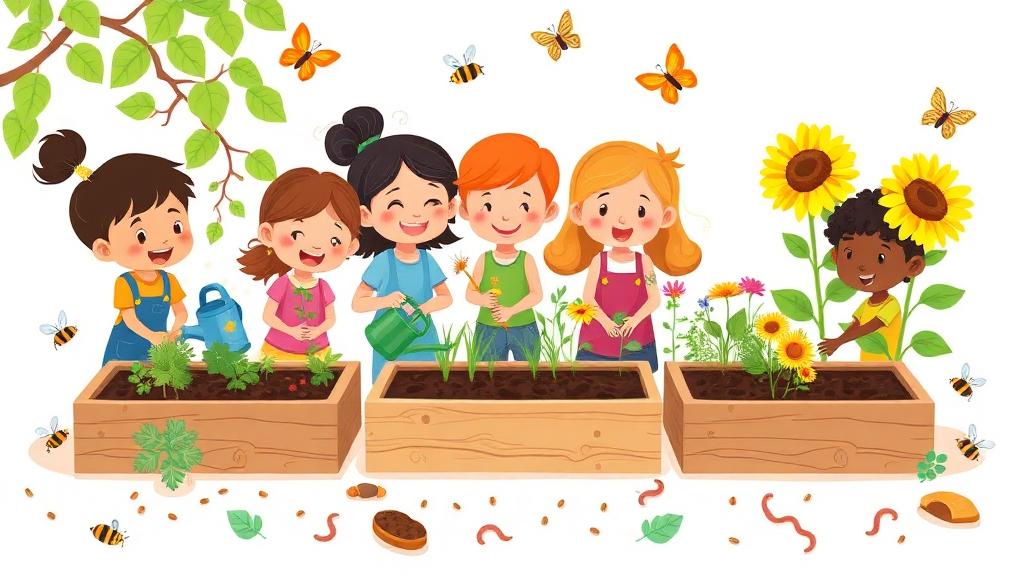
A Simple Habit With A Powerful Impact
LEARN
What it is
Youth learn how plants protect Earth’s land, water, and ecosystems by growing their own mini garden.
Why it matters
Plants help purify the air around us by absorbing carbon dioxide and releasing oxygen, protecting the environment and supporting a healthy ecosystem. By growing plants at home or in your community, you help support clean air, healthy soil, and thriving wildlife.
Getting started
Time: 40 minutes
Grade level: 3–5
Materials:
- Grow My Garden Pledge Banner (see Facilitator Prep)
- Blank sticker paper and/or Grow My Garden stickers – enough for everyone
- Markers or crayons – various colors for all to share
- Mini garden supplies: small planting kits with soil, seeds, and containers – 1 kit per person
- Container: 12-ounce cup with holes poked in the bottom for drainage
- Potting soil: enough to fill the cup
- Seeds — recommend fast-growing plants, such as Minnesota native grasses or wildflowers:
- Black-eyed Susan or Purple Coneflower (wildflowers)
- Little Bluestem or Blue Grama (grasses)
- Culver’s Root or Wild Lupine (herbs/beneficial plants for pollinators)
- Grow My Garden care instructions – 1 card per person
- Access to water
- Earth On Us – Grow My Garden survey – 1 per person
- Writing utensils
- Optional Grow My Garden sign: Post this in your program space, or pass out copies to youth to post in various places to encourage others to take the “Grow My Garden” pledge!
Facilitator Prep:
- Youth will be signing the Grow My Garden Pledge Banner, so consider printing it out large, such as on an 11×17 piece of paper, or printing multiple copies so that everyone has room to sign their names. Alternatively, you can reproduce your own banner on a large piece of butcher paper.
- Print the Grow My Garden care instructions on sticker paper and cut out labels so each person has one to stick onto their garden cup. Or provide tape for them to tape it on.
Background
Growing a garden supports EPA goals for protecting ecosystems and promoting environmental health by:
- Helping conserve natural resources
- Supporting pollinators like bees and butterflies
- Improving air and soil quality
- Encouraging sustainable habits that help the planet
In addition to plants being a vital part of our ecosystem, even one small plant can make a big difference to our atmosphere by absorbing CO₂:
- Seedling or small potted plant: absorbs about 10–100 grams of CO₂ per year
- Medium garden plant (flower or vegetable): roughly 100–500 grams per year
- Mature tree: about 20–25 kilograms (20,000–25,000 grams) per year
What to do
Step 1: Learn why it matters (5 minutes)
- Explain that plants help our planet in many important ways — they clean the air, protect soil, provide food for pollinators, and create habitats for animals. When you grow even a tiny garden, you make a big difference.
- Try this:
- Imagine if every person in your school planted one small plant.
- How many plants would that be?
- How much cleaner would the air be?
Step 2: See the science (5 minutes)
- Ask youth to think about what plants need to grow. Explain that plants don’t just grow on their own — they rely on sunlight, water, soil, nutrients, and care from people like you. When you grow a garden, you learn how ecosystems work and how plants support the balance of nature.
- Watch a short video, How Do Seeds Become Plants?
- Turn and talk to a partner. Discuss questions such as: What do plants need to survive? What happens if one thing is missing? How do gardens help the environment?
- Imagine your ideal garden. What would you grow? What would it look like? What colors would you see? Would your garden help bees, butterflies, or people? Sketch or describe your ideal mini garden.
Step 3: Grow your mini garden (15 minutes)
- Plant and decorate your very own mini garden! Instructions:
- Draft your garden plan on scratch paper.
- Use a sharp pencil or wooden skewer/toothpick to poke a few holes in the bottom of your cup.
- Fill your cup with soil.
- Plant your seeds gently to the depth indicated on the seed instructions.
- Water lightly.
- Decorate your mini garden using stickers, labels, drawings, or your own designs. (Youth may design their own stickers using blank sticker paper, or use the provided Earth On Us stickers.)
- Place a Grow My Garden care instruction label on your cup.
- Show it off to your family, friends, or during an Earth On Us event!
- Discuss with youth how they can take care of their mini garden.
- Plants need sunlight — some more than others. Where should you place your mini garden to get enough sunlight to grow?
- What’s the best way to water it? (Too much water will cause mold to grow; not enough water and the seed may not sprout.)
- Using the Background information of this lesson, help youth estimate how much CO₂ their little mini garden could absorb from the atmosphere.
Step 4: Take the pledge (5 minutes)
- Make your promise to the planet! Sign your name on the Pledge Banner (see Facilitator Prep for banner preparation suggestions) to show your commitment and receive your sticker. Display it proudly at school or during your event to inspire others to join the movement!
- Go to EarthOnUs.org under Actions → Grow My Garden, and make the pledge!
Step 5: Take the survey (5 minutes)
- Distribute the Earth On Us – Grow My Garden survey for youth to take.
Step 6: Celebrate! (5 minutes)
- Talk about it!
- Have you ever planted a garden before?
- Why might it be important to plant your mini garden outside once it’s ready for transplanting?
- What else can you try planting?
- You’ve made a difference! Remember, by taking small actions, you can contribute to big impacts! By growing and caring for your mini garden, you’re helping protect the planet one plant at a time. Keep nurturing your garden — and encourage your friends and family to start one too!
Take it further
Your voice can motivate others! Share your story at earthonus.org to inspire youth around the world. Your story will be featured on the Earth on Us website to inspire other youth! Consider including:
- Event details (date, location, number of participants)
- Pictures (e.g., completed survey forms, signed pledge banner, decorated mini gardens, event pictures)
- A blog or summary about your event
♻️ Take the Pledge